
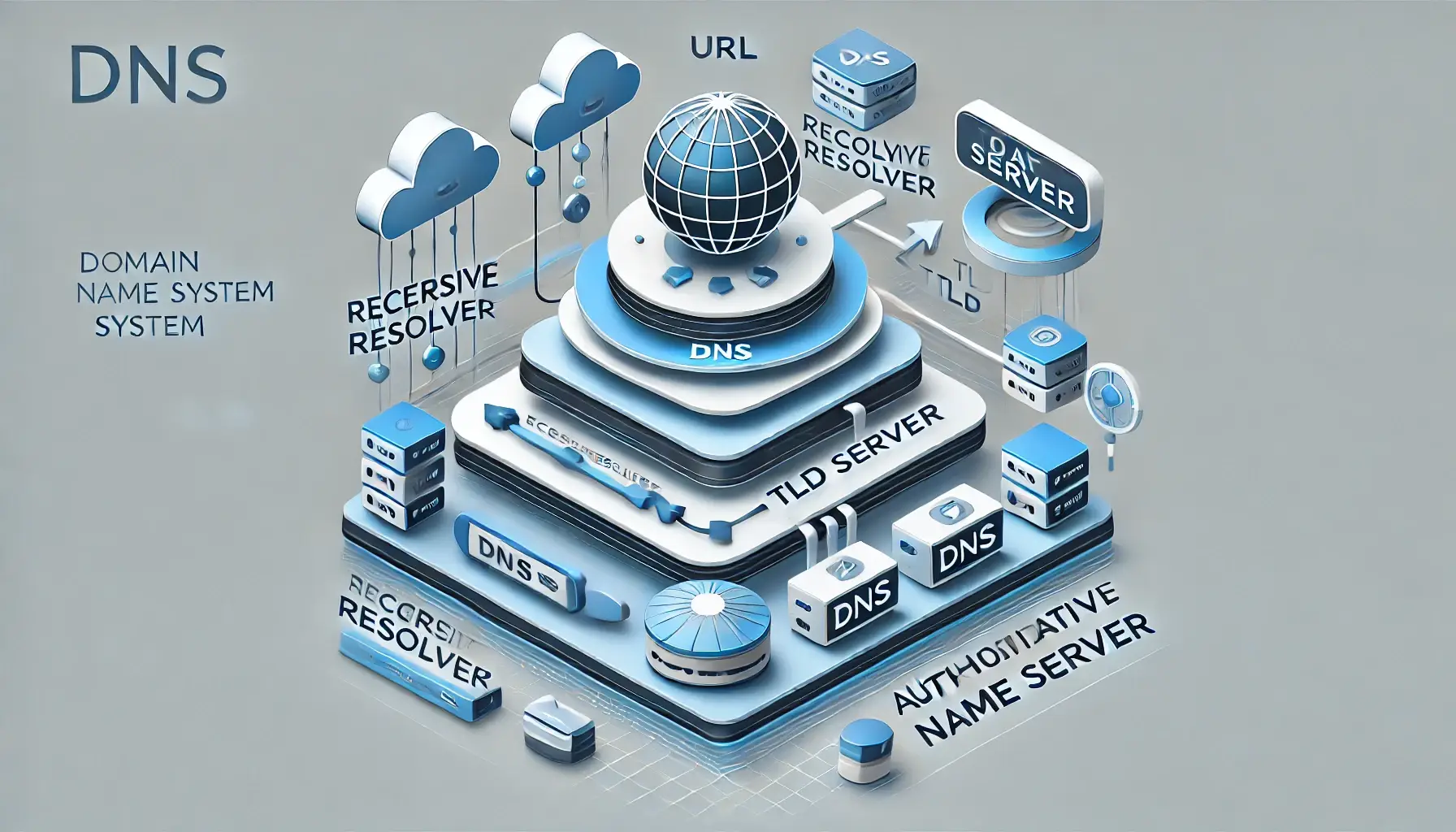
The internet connects billions of devices and websites worldwide. One technology that makes this possible is the Domain Name System. Understanding what is DNS helps explain how browsers quickly locate websites across the internet.
The Domain Name System translates domain names into numerical IP addresses used by computers. Without it, users would need to remember long strings of numbers to visit websites.
This article explores ten key facts about the Domain Name System and how it simplifies internet communication.
Understanding the Domain Name System
The Domain Name System works like a directory for the internet. When someone enters a website name into a browser, DNS servers translate that name into an IP address.
Instead of typing something like:
192.168.1.1
Users can simply type a domain such as:
example.com
1. Domain Names Are Translated Into IP Addresses
Every website is hosted on a server with a unique IP address. DNS converts domain names into those addresses so browsers can locate the correct server.
2. DNS Makes the Internet Easy to Use
Without this system, users would need to memorize long numbers for every website they visit. DNS allows people to use simple and memorable domain names.
3. DNS Lookups Are Extremely Fast
When a domain name is entered into a browser, a DNS lookup occurs to find the corresponding IP address. This process usually takes only milliseconds.
4. DNS Uses a Global Server Network
DNS relies on a distributed network of servers located around the world. These servers handle domain lookup requests and help ensure fast responses.
5. DNS Can Improve Website Performance
Efficient DNS infrastructure helps websites load faster by directing users to the most suitable server.
Some systems even route users to servers located closer to them geographically.
6. DNS Supports Internet Stability
The Domain Name System is essential for maintaining reliable internet communication. If DNS systems fail, users may not be able to reach websites even if servers remain online.
7. DNS Helps Deliver Email
DNS also helps email systems function properly. Mail servers use DNS records to determine where email messages should be delivered.
8. DNS Uses Multiple Record Types
Different DNS record types help control domain behavior.
Common examples include:
- A records
- MX records
- CNAME records
- TXT records
- NS records
Each record has a specific function within the DNS system.
9. DNS Security Is Important
Because DNS directs users to websites, attackers sometimes attempt to exploit DNS infrastructure.
Security technologies such as DNSSEC help protect DNS data and ensure users connect to legitimate servers.
10. DNS Powers Every Website
Every website depends on DNS to connect visitors to the correct server. Without this system, navigating the internet would require remembering complex IP addresses.
DNS keeps the internet simple and accessible for users.
Conclusion
Understanding what is DNS helps explain how the internet connects users with websites. The Domain Name System translates domain names into IP addresses and allows browsers to find servers quickly.
From improving performance to supporting email communication, DNS is a critical part of modern internet infrastructure.